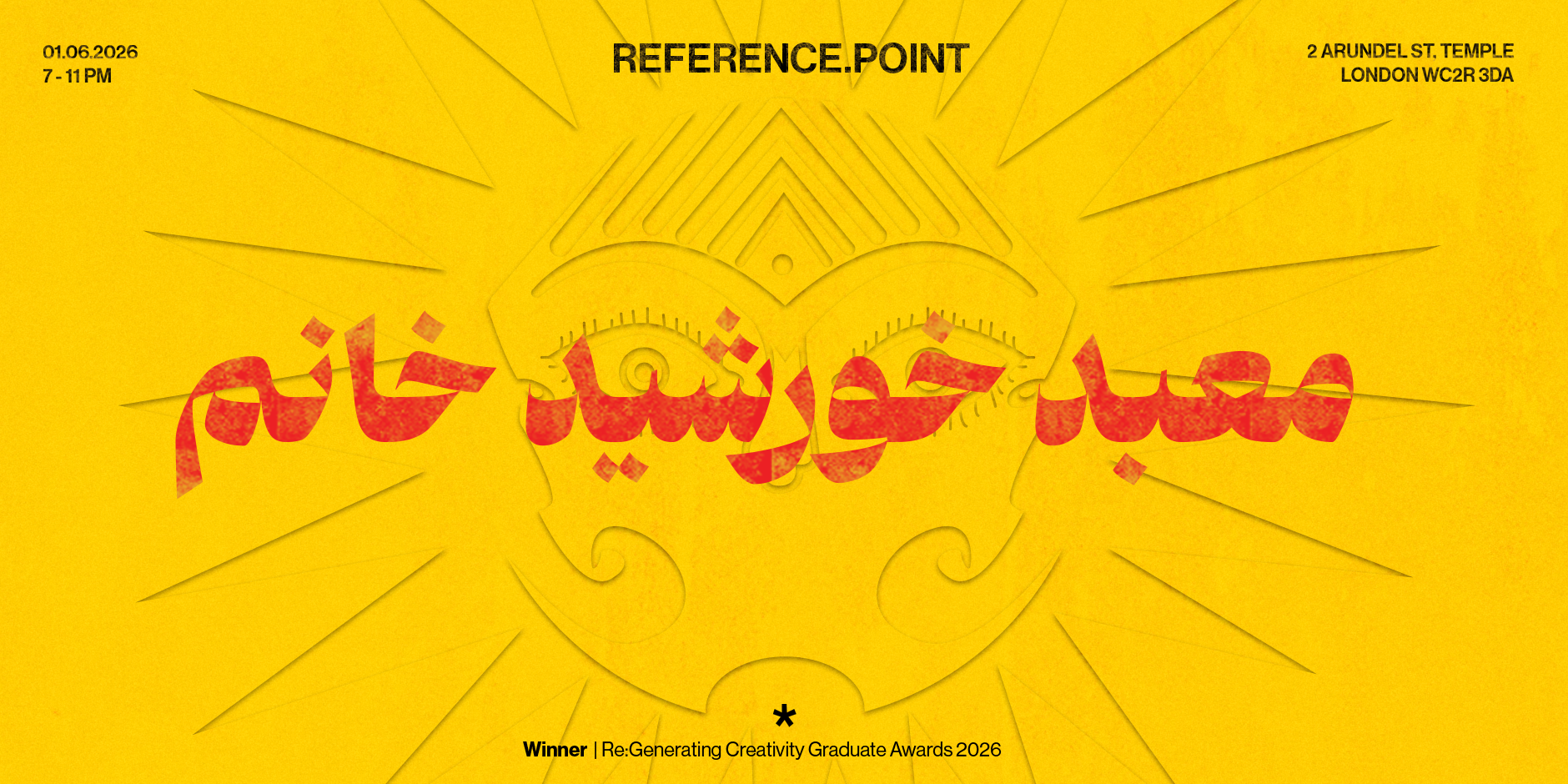
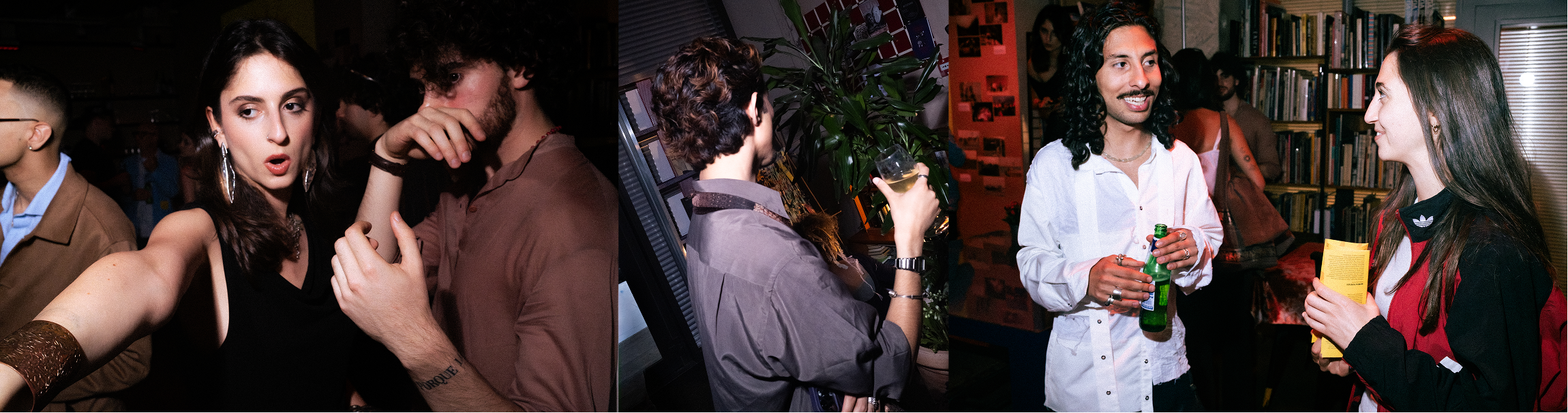
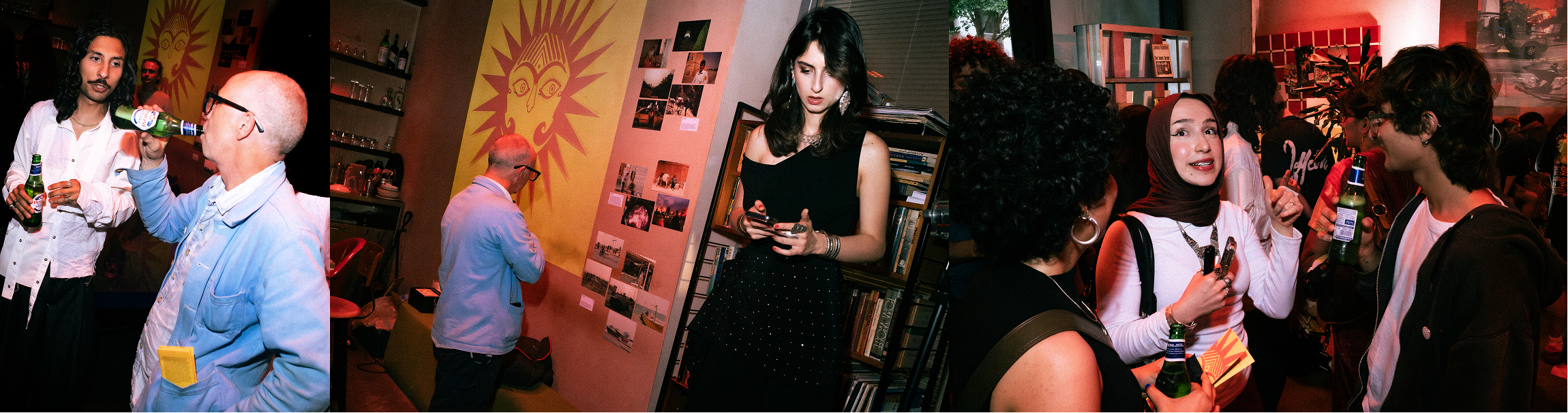
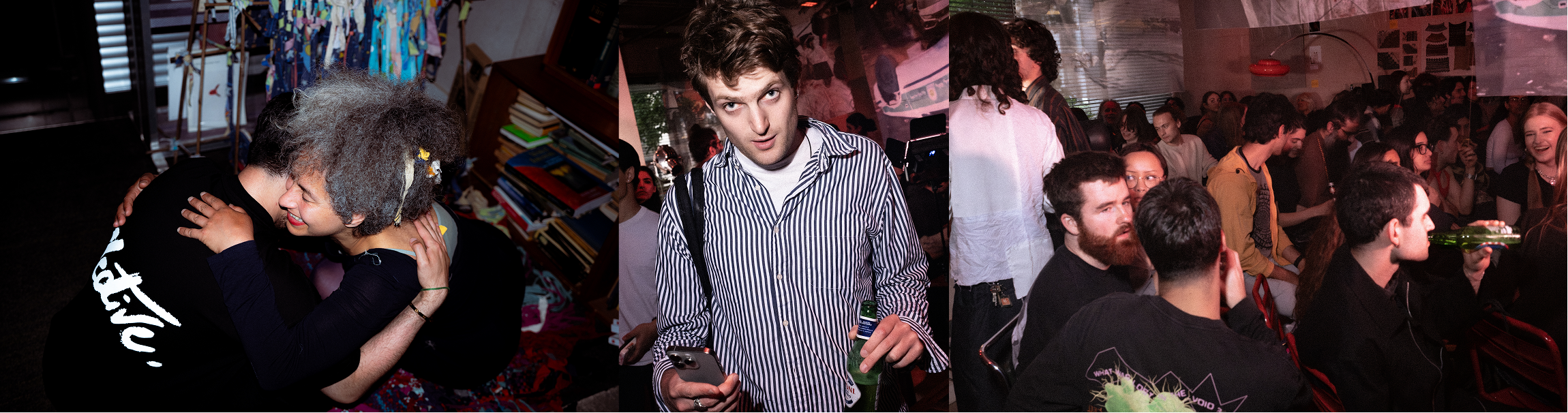
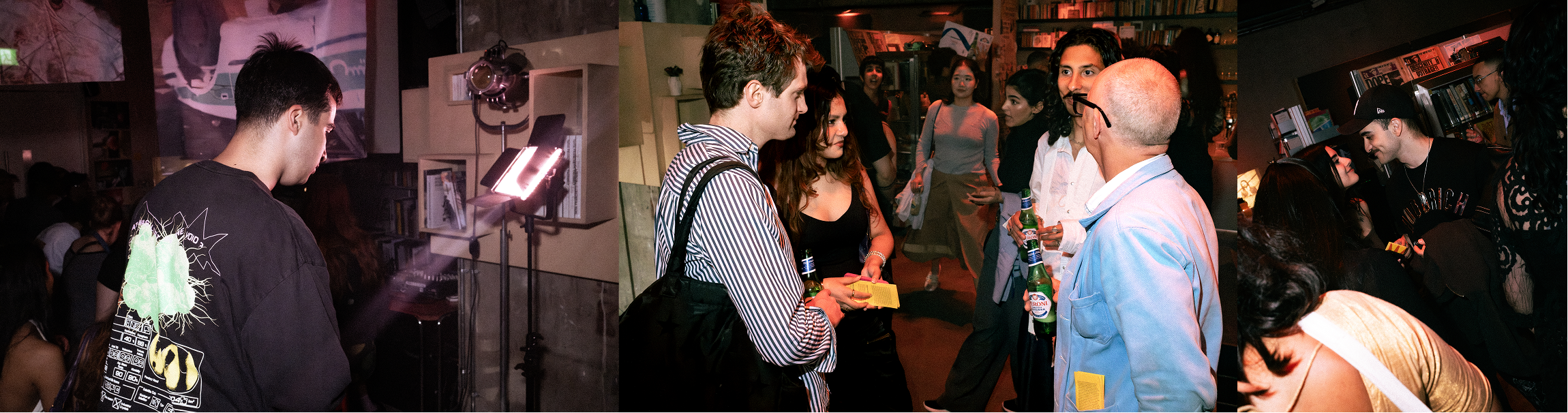
During the Christmas holiday period of late 2025 and early 2026, Damon Asadi delved into the carpet industry of Iran, culminating in the production of a short documentary. The search for a space in which to share this work ultimately led to the conception and curation of a wider interdisciplinary programme of film, art, design & photography at Reference Point, situated on the Arundel Street side of 180 Studios. Titled Temple of the Lady Sun, the exhibition brought together Iranian artists whose works explored themes of erasure, perseverance and cultural belonging through their relationship with their homeland. Conceived during a period of heightened political instability, when Iran was at war with the US and Israel and dominated international news coverage, the exhibition sought to offer a more nuanced perspective, focusing on the emotional realities of the Iranian lived experience. Rather than reducing geopolitical events to news headlines, the programme foregrounded personal narratives and artistic expressions. The project culminated in an exhibition publication, presented as part of the Central Saint Martins Graduate Showcase 2026, where it received one of the most prestigious awards at the university, the Re:generating Creativity Graduate Award. The book serves as both a record of Temple of the Lady Sun and an archival document, featuring each work alongside interviews with each participating artist reflecting on their emotional and cultural connections to Iran.
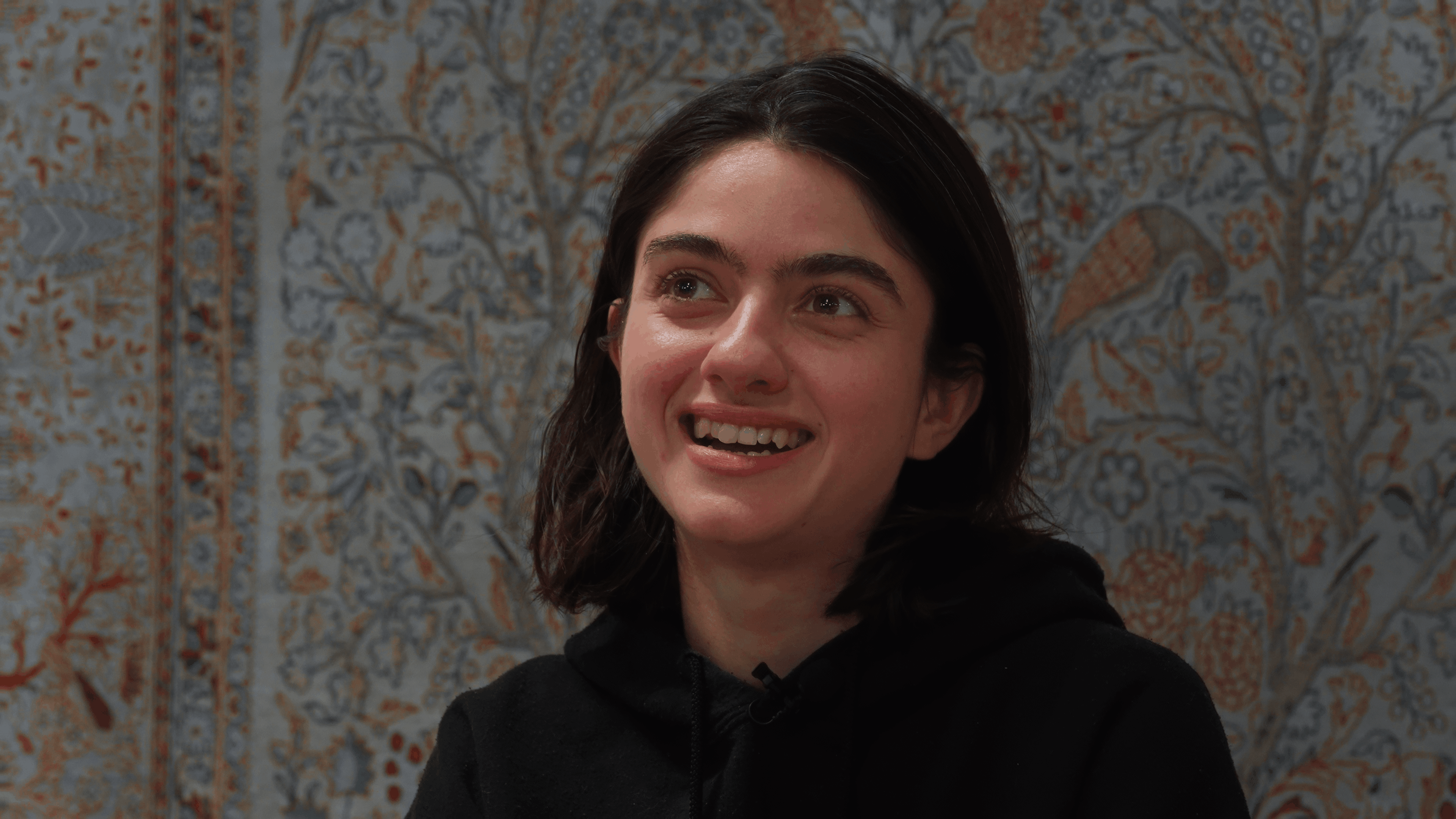
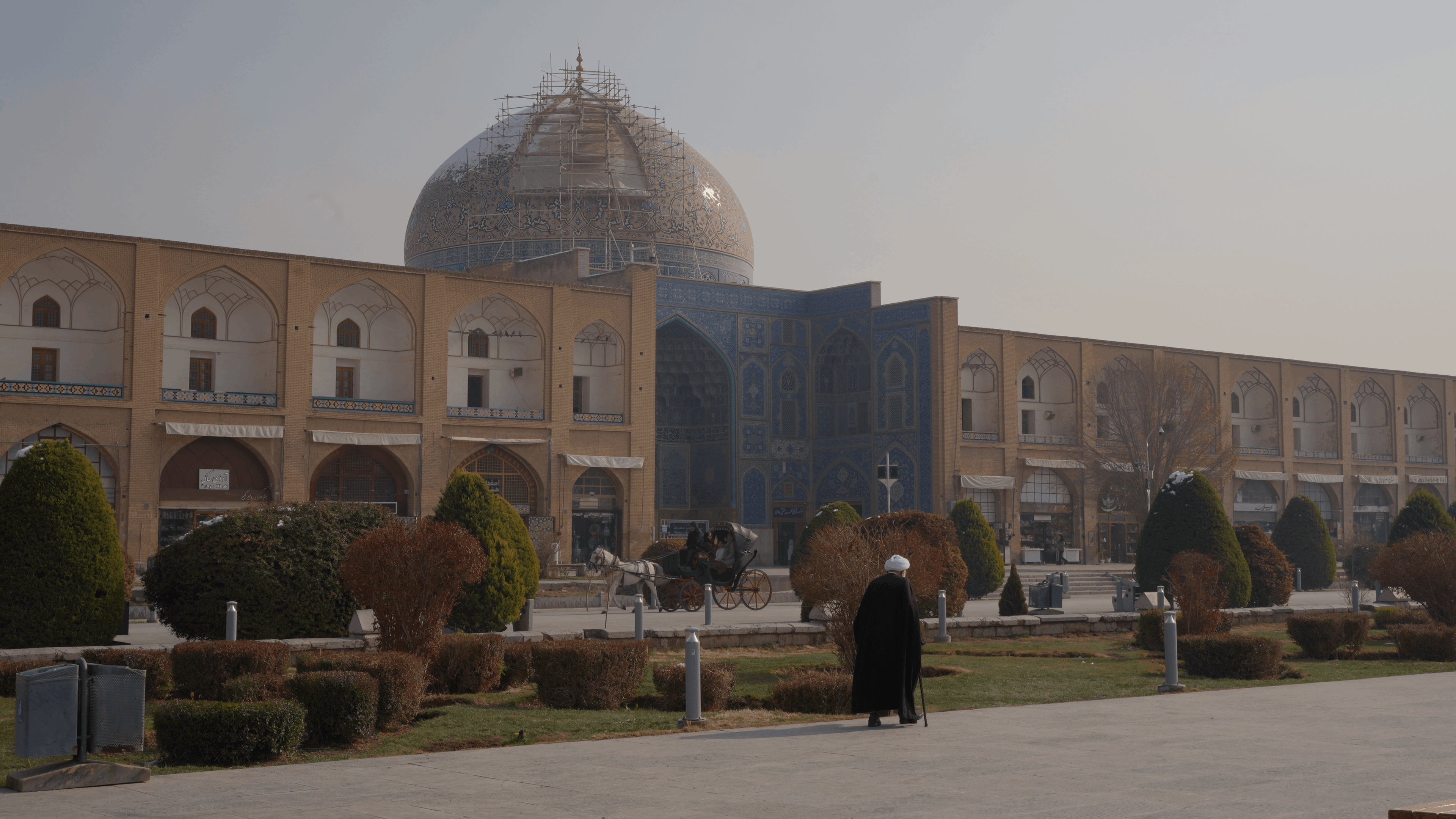
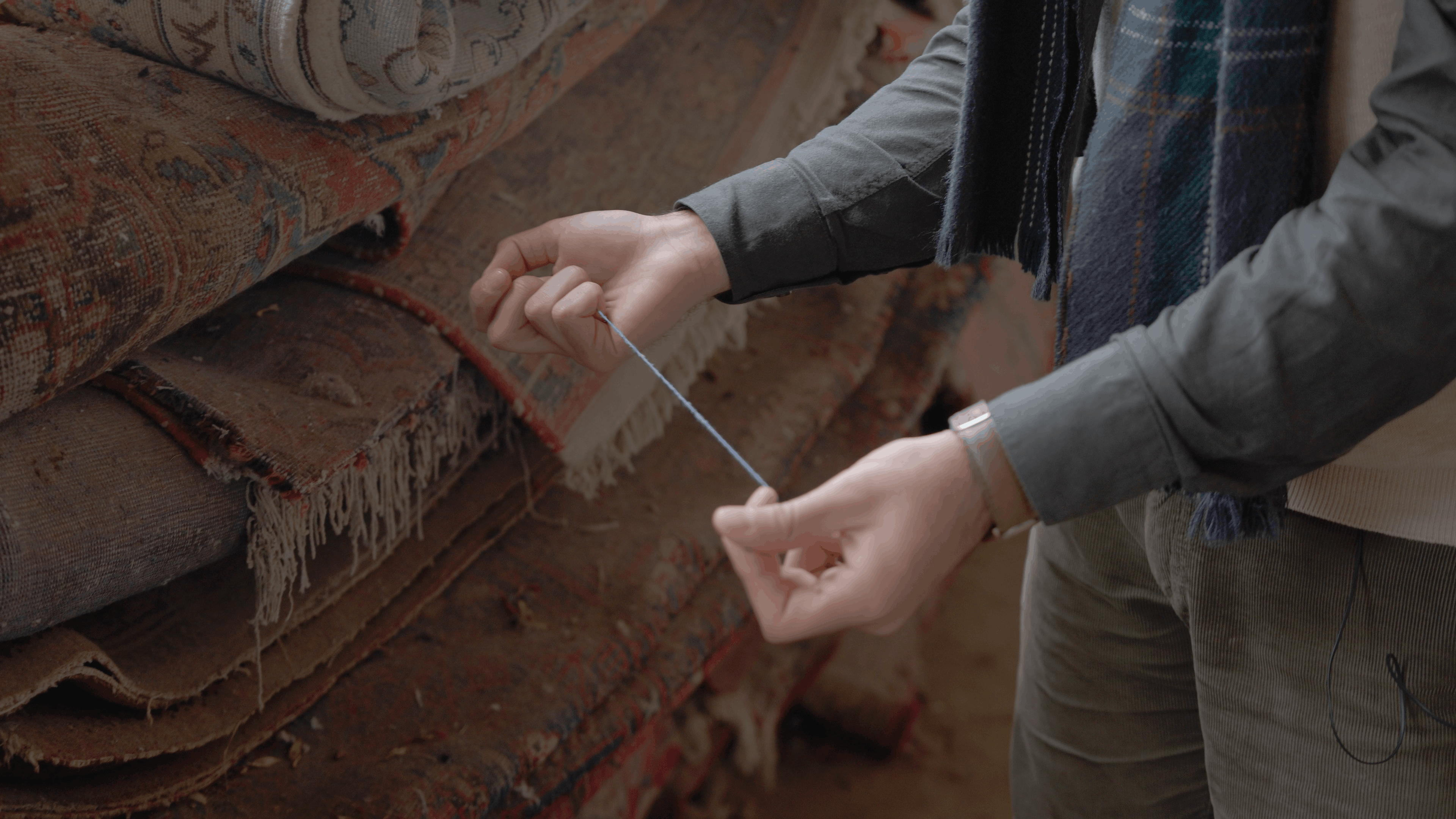
Unlike Anyone is a short documentary directed, filmed, edited, and produced by Damon Asadi during the Iranian economic crisis between December 2025 and January 2026. It follows Asadi’s travels from London through four different cities in Iran, documenting people within the carpet industry, from rug dealers as well as bustling bazaars to nomadic tribes who weave carpets by hand in their homes using techniques handed down across generations. Alongside these encounters, the film explores the cultural significance of carpet weaving as both an artistic tradition and a vital source of livelihood. Set against a backdrop of soaring inflation, a rapidly devaluing currency, and increasing monetary uncertainty, the documentary captures how these factors affect the carpet industry. What begins as an exploration of Iran’s carpet weaving industry gradually unfolds into a personal search for identity and belonging, and ultimately, a wider reflection on the realities of everyday life in contemporary Iran. Through intimate conversations, quiet observations, and unfolding events, the work resists romanticised "Orientalist" narratives; instead, it foregrounds lived experiences, overlooked stories, and voices that are too often silenced or misrepresented. What begins as self-reflection evolves into testimony, positioning the filmmaker not outside the story, but irreversibly within it, as both an observer reconnecting with his heritage and an active participant in the lives he documents.



Parishan is a trilogy of arthouse fashion films directed and produced by the creative director Kimia Nimaei. The films explore identity, the female experience, displacement and resistance through an editorial and cinematic lens. While looking for a filmmaker to bring her vision to life, Nimaei came into contact with Damon Asadi. By drawing on his experience within videography and post-production, he managed to shape Nimaei's vision into the final product, which takes inspiration from Iranian New Wave cinema to tell a more contemporary story. Parishan later went on to be shortlisted for three awards at Graduate Fashion Week 2026: the Moving Image Award, the Fashion Styling & Creative Direction Award, and the Culture & Heritage Award.
ECCO, the globally renowned shoe and leather goods company, embarked on a journey to revitalise its e-commerce strategy, going from a monolith to a fully composable solution. Drawing on six years of collaboration, insights and strategic planning with AKQA, a comprehensive composable commerce solution and design system was created with one goal: to enhance the customer experience and internal operational efficiency in every interaction. During his time at AKQA, Damon Asadi was an integral member of the core design team working on the ECCO project. In the final stages of the project, Asadi took on responsibility for design quality assurance, working closely with the development team to ensure the final implementation remained consistent with the established design system, experience principles, and overall creative vision.
By turning the truth about the universally tense relationships between customers and their printers into a chance to highlight HP’s Print Solutions, Made to be less hated went from a one-off opportunity for the Nordic markets to a global platform across the UK, Ireland, Belgium, Luxembourg and the Netherlands. During his time at the award winning creative agency AKQA in Copenhagen, Damon Asadi brought this project to life with graphic design during the post-production process of the advertisement campaign.
.png)
During the first semester of their bachelor's degree, the fashion design students at Central Saint Martins worked hard on creating looks fully in white, showcased to important industry professionals at "The Reset Show”, formerly known as “The White Show". Being a student at Central Saint Martins, Damon Asadi was granted access to this spectacle. He captured the show both behind the stage and at the catwalk. Inspired by the high-contrast, grainy look of Daido Moriyama's street photography, Asadi used black-and-white ISO 400 film and pushed it two stops to ISO 1600 to achieve a similar effect. He later designed a magazine with the pictures he had taken, accompanied by articles collected through collaboration with other students.


